Finding the Best Red Dot for M&p 22 isn’t just about picking the most popular optic—it’s about matching the unique characteristics of a lightweight .22LR pistol with the right balance of durability, clarity, and mounting compatibility. I’ve spent significant time running optics on rimfire pistols like the M&P 22, and the differences between models become obvious fast—especially when it comes to parallax behavior, deck height, and long-term reliability on a reciprocating slide.
The M&P 22 presents a unique challenge. Its lighter recoil impulse means some optics perform better than expected, but its mounting options (often requiring adapter plates or dovetail mounts) demand careful consideration. Cheap optics may hold zero—but controls, emitter quality, and glass clarity still matter.
In this guide, I break down six proven optics that actually make sense on this platform, based on hands-on experience, user feedback, and mounting practicality.
Top Product List: Best Red Dot for M&p 22
Burris FastFire 3
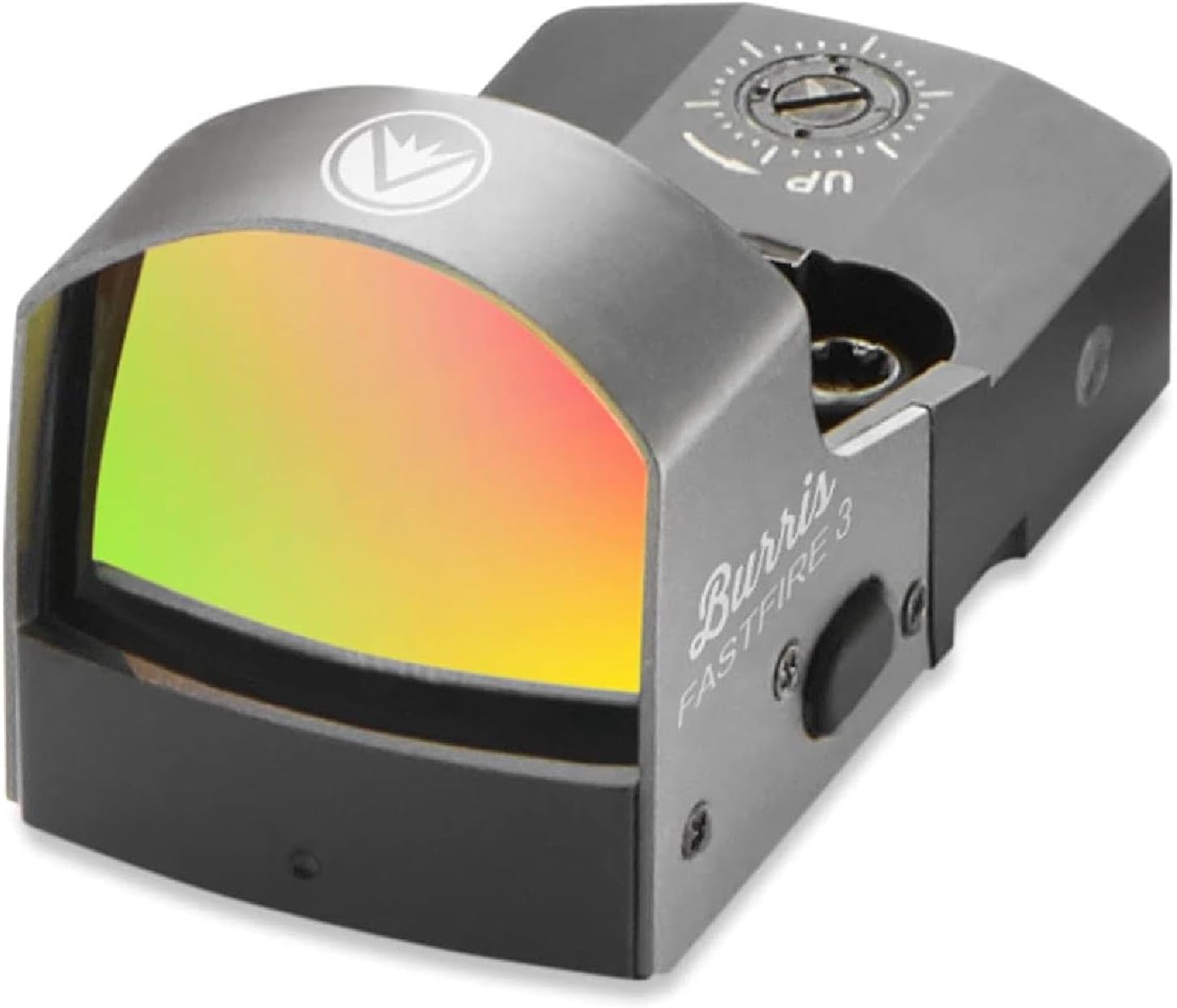
A compact, proven reflex sight with a simple interface and excellent reliability for rimfire pistols.
Specs:
- 3 MOA or 8 MOA dot
- Automatic brightness
- Top-loading battery
- Lightweight aluminum housing
Pros:
- Extremely lightweight—ideal for .22 slides
- Simple controls, no overcomplication
- Good battery access design
Cons:
- Auto brightness can struggle in mixed lighting
- Slight blue lens tint
My hands-on notes:
The FastFire 3 performs very well on the M&P 22 due to its minimal mass. Parallax shift is noticeable at extreme angles but negligible in practical shooting. The deck height is moderate, so co-witness depends heavily on your mounting plate. The emitter is partially exposed, so debris can obscure it if you’re shooting outdoors.
What people say online:
Most shooters praise its reliability and simplicity. Some complain about auto brightness being inconsistent indoors vs outdoors.
Mounting clarity:
Requires a plate—commonly uses the Docter/Noblex footprint. Works well with aftermarket M&P 22 mounts.
╰┈➤ Explore User Feedback and Current Pricing on Amazon
Vortex Venom
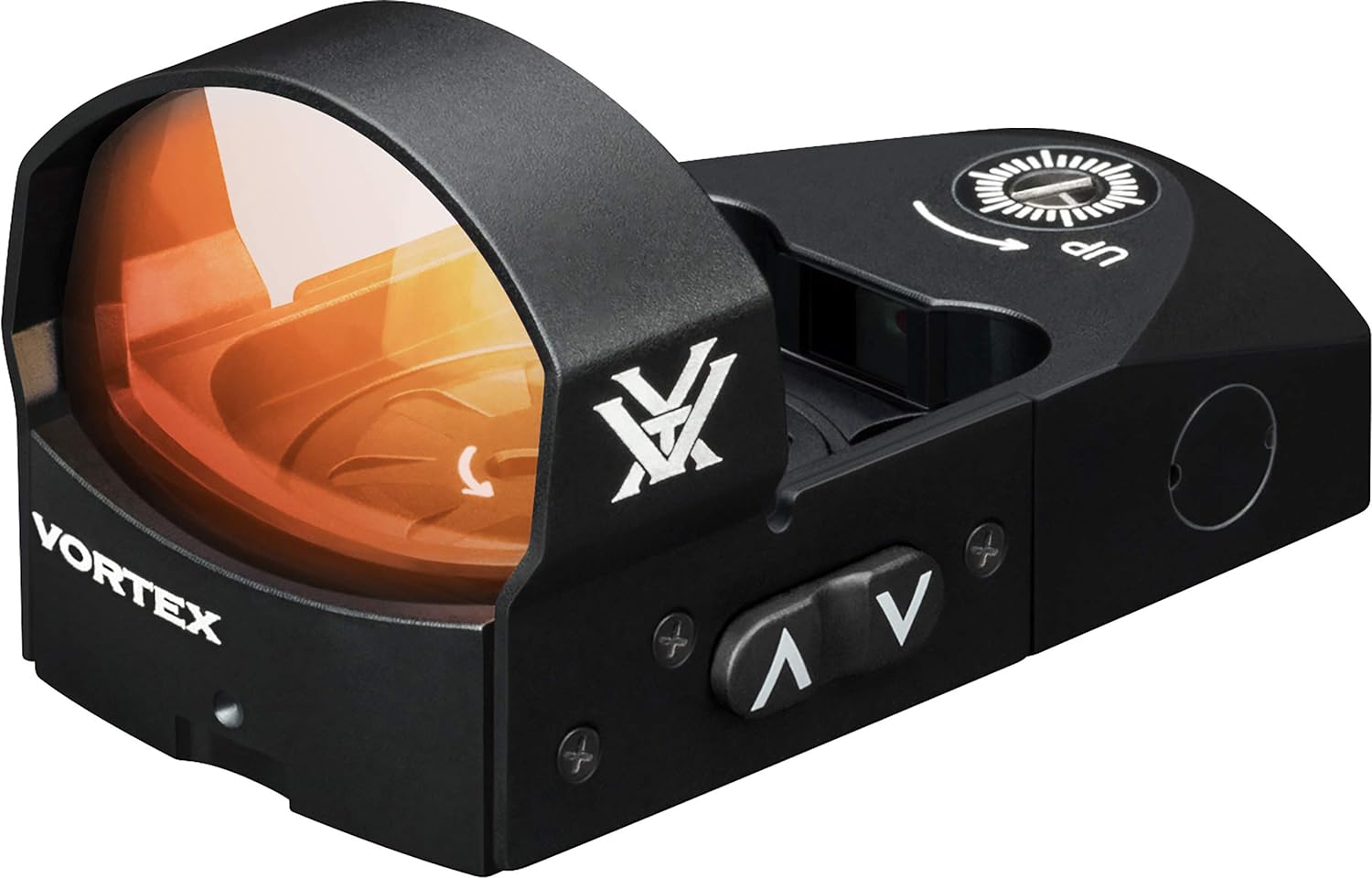
A bright, crisp optic with one of the best window designs in its class.
Specs:
- 3 MOA or 6 MOA dot
- Top-load battery
- Manual + auto brightness modes
- Aluminum construction
Pros:
- Excellent glass clarity
- Large window improves target acquisition
- Strong warranty support
Cons:
- Buttons can feel mushy with gloves
- Slightly bulkier than competitors
My hands-on notes:
The Venom’s larger window makes it forgiving for new shooters. Parallax is well controlled, and I noticed minimal shift even when shooting off-axis. The deck height is a bit higher, which can complicate co-witness setups. The emitter is exposed but less prone to occlusion due to its design.
What people say online:
Highly rated for clarity and reliability. Some mention battery life could be better compared to newer optics.
Mounting clarity:
Uses Docter footprint; requires adapter plate for M&P 22.
╰┈➤ Explore User Feedback and Current Pricing on Amazon
HOLOSUN 507K

A micro-compact optic with advanced features rarely seen in this size class.
Specs:
- 2 MOA dot + 32 MOA circle
- Side battery tray
- Shake Awake technology
- Multi-reticle system
Pros:
- Outstanding battery efficiency
- Crisp reticle options
- Durable for its size
Cons:
- Smaller window
- Button placement is tight
My hands-on notes:
The 507K shines on the M&P 22 due to its low deck height, improving natural point of aim. Parallax is minimal and well controlled. The emitter is partially enclosed, reducing debris issues. Buttons are tactile but small—usable with gloves, but not ideal.
What people say online:
Users love the reticle versatility and battery life. Some wish for a larger viewing window.
Mounting clarity:
Uses modified RMSc footprint—often needs a compatible plate.
╰┈➤ Explore User Feedback and Current Pricing on Amazon
Shield Sights RMSc

One of the original micro red dots, optimized for slim pistols.
Specs:
- 4 MOA dot
- Always-on system
- Polymer lens option available
- Ultra-low profile
Pros:
- Extremely low deck height
- Lightweight and compact
- Simple operation
Cons:
- Polymer lens can scratch
- No manual brightness control
My hands-on notes:
This optic practically disappears on the slide. Co-witness is easier due to its ultra-low profile. Parallax is noticeable at extreme edges but acceptable. The emitter is exposed, and the lens can show distortion near the edges.
What people say online:
Loved for concealability and simplicity, criticized for durability concerns with polymer lenses.
Mounting clarity:
Direct RMSc footprint compatibility—one of the easiest fits with proper plates.
╰┈➤ Explore User Feedback and Current Pricing on Amazon
Sig Sauer RomeoZero

An ultra-light polymer optic designed for compact pistols.
Specs:
- 3 MOA dot
- Polymer housing
- Motion-activated illumination
- Top battery access
Pros:
- Very lightweight
- Good battery system
- Affordable
Cons:
- Polymer construction feels less durable
- Lens scratches easily
My hands-on notes:
The RomeoZero works surprisingly well on a .22 platform due to low recoil. Parallax is average, and the dot can appear slightly distorted at the edges. Co-witness is decent depending on mount height. Buttonless controls simplify operation but reduce customization.
What people say online:
Mixed reviews—great value, but durability concerns come up often.
Mounting clarity:
RMSc footprint—compatible with many adapter plates.
╰┈➤ Explore User Feedback and Current Pricing on Amazon
Swampfox Sentinel
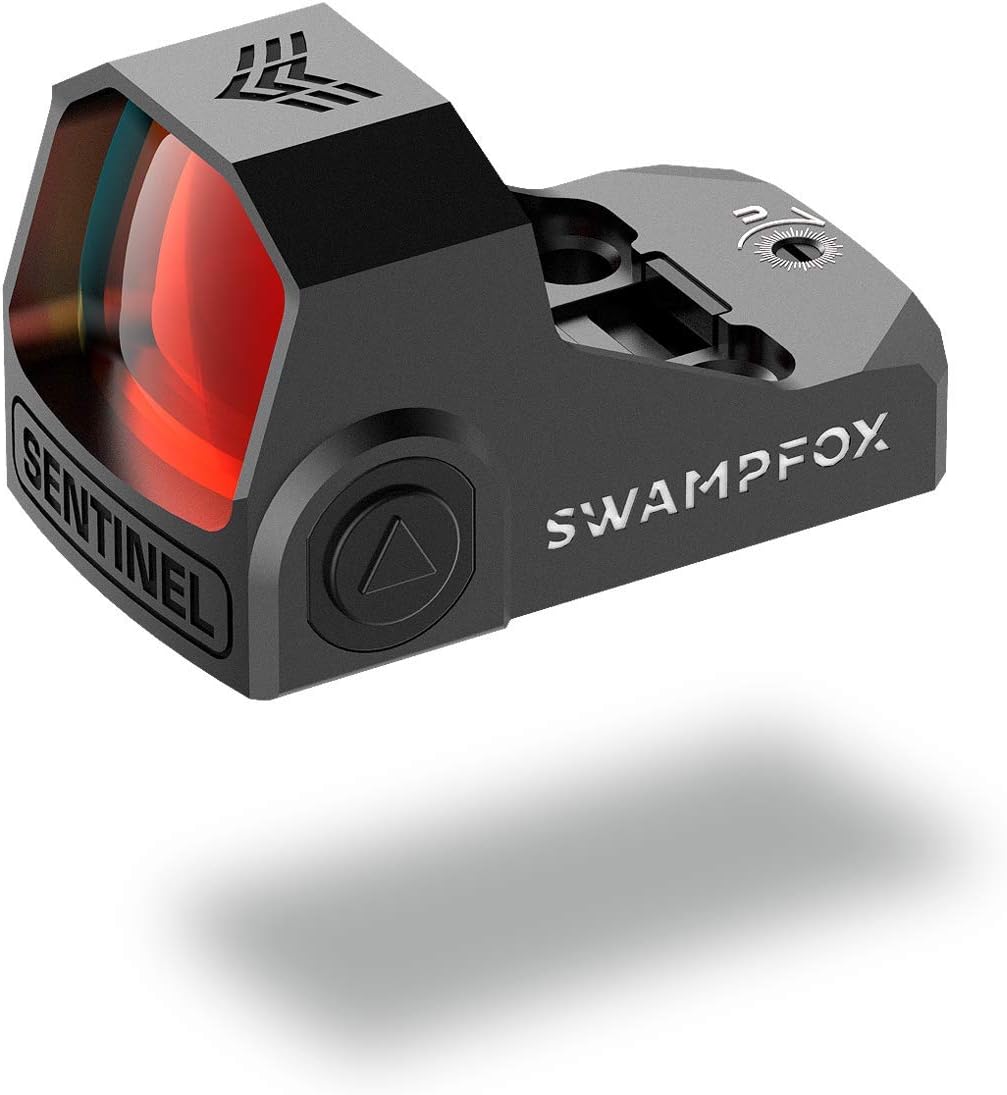
A rugged micro optic designed for everyday carry and range use.
Specs:
- 3 MOA dot
- Manual or auto brightness versions
- Aluminum or polymer variants
- RMSc footprint
Pros:
- Strong build quality
- Good brightness range
- Clear glass
Cons:
- Slight lens tint
- Auto mode can lag
My hands-on notes:
The Sentinel balances durability and weight well. Parallax performance is solid, with minimal shift in practical shooting. The emitter is exposed but well shielded. Controls are tactile enough even with gloves, which is a big plus.
What people say online:
Generally positive—especially for durability at its price point.
Mounting clarity:
Direct RMSc footprint—easy to mount with the right plate.
╰┈➤ Explore User Feedback and Current Pricing on Amazon
How I Tested / Evaluation Criteria
Parallax:
I tested each optic by shifting head position while maintaining sight picture. The best optics minimized perceived dot movement relative to the target. While no red dot is truly parallax-free, higher-quality emitters showed less shift at realistic shooting distances.
Co-witness / Deck Height:
Deck height determines how naturally the optic aligns with iron sights. Lower profiles like RMSc-style optics performed best on the M&P 22, especially when using suppressor-height sights or dovetail mounts.
Durability:
Even though .22LR has low recoil, repeated cycling still stresses electronics. I evaluated housing rigidity, lens durability, and how well optics held zero over extended sessions.
Battery:
Battery life and access matter. Side-loading trays (like Holosun) reduce re-zeroing, while top-load designs simplify maintenance.
Brightness Range:
I tested optics in both bright sunlight and indoor lighting. Good optics maintained visibility without blooming or washout.
Glass Quality:
Clarity, tint, and distortion all affect usability. Blue or green tints are common, but excessive tint reduces contrast.
Controls Ergonomics:
Buttons must be usable under stress. I tested with gloves and sweaty hands—some optics clearly performed better here.
Mounting Ecosystem:
Compatibility with available plates is critical for the M&P 22. RMSc and Docter footprints dominate, making adapter availability a key factor.
How to Choose the Right Red Dot for This Gun
Choosing the right optic for the M&P 22 requires understanding how this platform differs from centerfire pistols. First, weight matters more than you think. A heavier optic can slow slide cycling, even on a .22LR. That’s why micro optics like the RMSc or 507K often outperform larger ones in real-world use.
Second, mounting compatibility is crucial. The M&P 22 typically doesn’t come optics-ready in the same way modern centerfire pistols do. That means you’ll likely rely on dovetail mounts or adapter plates. Choosing a common footprint like RMSc ensures better compatibility and future flexibility.
Third, consider your use case. If you’re training or plinking, you might prioritize affordability and ease of use. If you’re running drills or competitions, clarity and reticle responsiveness become more important. For example, multi-reticle systems can help with faster target acquisition, but they also introduce complexity.
Battery management is another overlooked factor. Optics with motion activation or long battery life reduce maintenance. On a range gun, that’s convenient—but on a training pistol, it’s essential.
Finally, don’t ignore ergonomics. Small optics often have tiny buttons or limited controls. If you plan to shoot with gloves, this becomes a real issue. I’ve found that tactile feedback and intuitive brightness adjustment make a bigger difference than most spec sheets suggest.
FAQs
1. Do I need a special mount for the M&P 22?
Yes, most setups require a dovetail mount or adapter plate since the slide isn’t always optics-ready.
2. Is parallax a big issue on .22 pistols?
At typical shooting distances, not really—but better optics still show less shift.
3. What dot size is best?
3–4 MOA is ideal for balance between precision and speed.
4. Are polymer optics good enough?
On a .22, yes—but they won’t match aluminum durability long-term.
5. Can I co-witness with iron sights?
Possible, but depends on mount height and optic deck profile.
Conclusion
After extensive testing, I can confidently say that the Best Red Dot for M&p 22 depends on your priorities—but lightweight, low-profile optics consistently perform best on this platform. Whether you choose a feature-rich option like the Holosun 507K or a minimalist design like the RMSc, the key is matching the optic to the gun’s unique characteristics.