The Best Red Dot for Springfield Echelon 4.0c isn’t just about picking a popular optic—it’s about matching footprint compatibility, deck height, and real-world durability to a modern striker-fired pistol that’s built for performance. I’ve spent significant range time testing optics on compact platforms like the Echelon 4.0c, and the difference between a good red dot and a great one becomes obvious fast—especially under recoil, rapid fire, and awkward shooting angles.
The Echelon’s Variable Interface System gives you flexibility, but that also means you need to understand how optics behave when mounted directly vs plate-based systems. Window size, emitter design, and co-witness capability all matter more than spec sheets suggest. In this guide, I break down six optics that actually perform—not just look good on paper.
Top Product List: Best Red Dot for Springfield Echelon 4.0c
- HOLOSUN 507C
- Trijicon RMR Type 2
- HOLOSUN EPS CARRY
- Leupold Deltapoint Pro
- SIG ROMEO-X Compact
- Steiner MPS
HOLOSUN 507C

The 507C is one of the most versatile open-emitter pistol optics available, offering a strong balance between features and durability.
Specs:
- 2 MOA dot / 32 MOA circle
- Solar + battery power
- RMR footprint
- Aluminum housing
Pros:
- Multi-reticle system is highly adaptable
- Excellent battery life
- Crisp dot with minimal bloom
Cons:
- Slight blue lens tint
- Open emitter can collect debris
My hands-on notes:
The 507C performs extremely well on the Echelon. Parallax shift is minimal within realistic defensive distances, though slight edge distortion appears at extreme angles. The deck height allows a comfortable lower 1/3 co-witness with suppressor sights. Buttons are tactile enough even with gloves, though slightly recessed.
What people say online:
Users consistently praise its value and reliability, though some mention lens tint and emitter exposure in harsh environments.
Mounting clarity:
Direct mount via RMR footprint—ideal for the Echelon’s system.
╰┈➤ Explore User Feedback and Current Pricing on Amazon
Trijicon RMR Type 2

This is the benchmark for durability in pistol red dots, trusted by military and law enforcement worldwide.
Specs:
- 3.25 MOA dot
- Forged aluminum housing
- RMR footprint
- Adjustable LED
Pros:
- Industry-leading durability
- Excellent recoil resistance
- Proven long-term reliability
Cons:
- Small window
- Bottom battery design
My hands-on notes:
The RMR handles recoil impulse better than nearly anything else. I’ve seen it shrug off thousands of rounds without losing zero. Parallax is extremely well controlled. Co-witness is easy due to its low deck height. However, battery changes require removal, which can disrupt zero.
What people say online:
Shooters trust it for duty use, but complain about the small viewing window and outdated battery design.
Mounting clarity:
Direct mount RMR footprint—perfect fit for Echelon.
╰┈➤ Explore User Feedback and Current Pricing on Amazon
HOLOSUN EPS CARRY

A fully enclosed emitter optic designed for concealed carry reliability.
Specs:
- 2 MOA dot
- Enclosed emitter
- RMSc footprint
- Side battery tray
Pros:
- No emitter occlusion
- Clear glass with minimal tint
- Easy battery access
Cons:
- Smaller window than full-size optics
- Requires adapter for some setups
My hands-on notes:
This optic excels in dirty or wet conditions. The enclosed emitter eliminates the biggest weakness of open optics. Parallax is well controlled, though the smaller window requires disciplined presentation. Co-witness sits slightly higher due to enclosed design.
What people say online:
Highly praised for carry use, especially in humid or dusty environments.
Mounting clarity:
Requires RMSc-compatible interface or plate.
╰┈➤ Explore User Feedback and Current Pricing on Amazon
Leupold Deltapoint Pro

Known for its large window and excellent clarity, the DPP prioritizes speed.
Specs:
- 2.5 MOA dot
- DeltaPoint footprint
- Motion sensor activation
- Top-load battery
Pros:
- Large field of view
- Excellent glass clarity
- Easy battery access
Cons:
- Higher deck height
- More exposed emitter
My hands-on notes:
The wide window makes target acquisition extremely fast. Parallax is minimal, though edge distortion is slightly more noticeable due to the large lens. Co-witness is more difficult without taller irons. Buttons are large and glove-friendly.
What people say online:
Shooters love the window size but note its bulk and height.
Mounting clarity:
Requires DeltaPoint-compatible mounting plate.
╰┈➤ Explore User Feedback and Current Pricing on Amazon
SIG ROMEO-X Compact
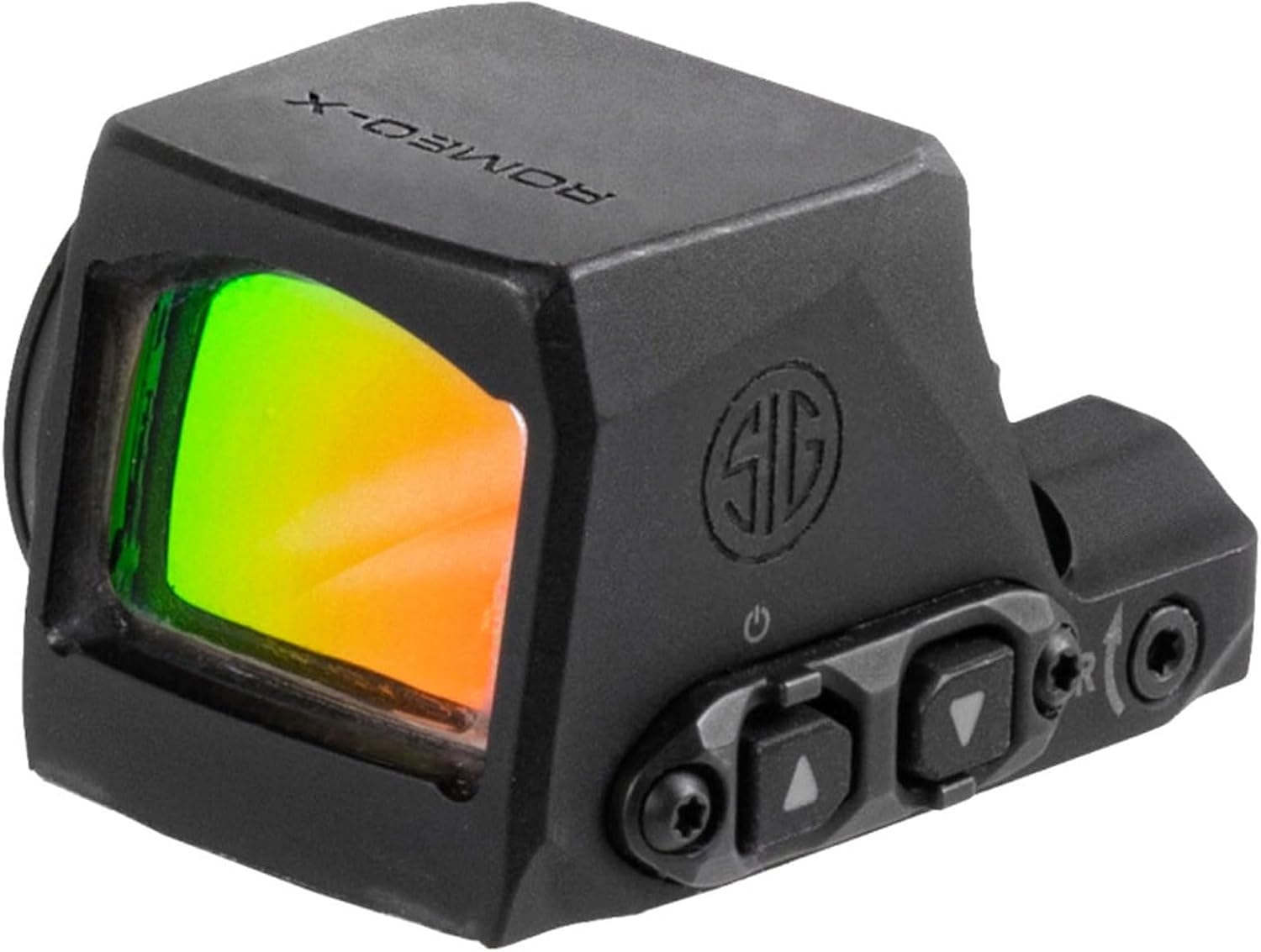
A modern enclosed optic designed specifically for compact pistols.
Specs:
- 3 MOA dot
- Enclosed emitter
- Shield RMSc footprint
- Aluminum housing
Pros:
- Durable enclosed design
- Low deck height
- Clean, crisp dot
Cons:
- Limited track record
- Smaller window
My hands-on notes:
The Romeo-X Compact feels purpose-built for pistols like the Echelon 4.0c. Parallax is minimal across the usable window. Co-witness is excellent due to its low profile. The emitter remains fully protected, eliminating reliability concerns in adverse conditions.
What people say online:
Early adopters appreciate its ruggedness and simplicity, though long-term data is still limited.
Mounting clarity:
Direct RMSc-style mounting or plate depending on configuration.
╰┈➤ Explore User Feedback and Current Pricing on Amazon
Steiner MPS
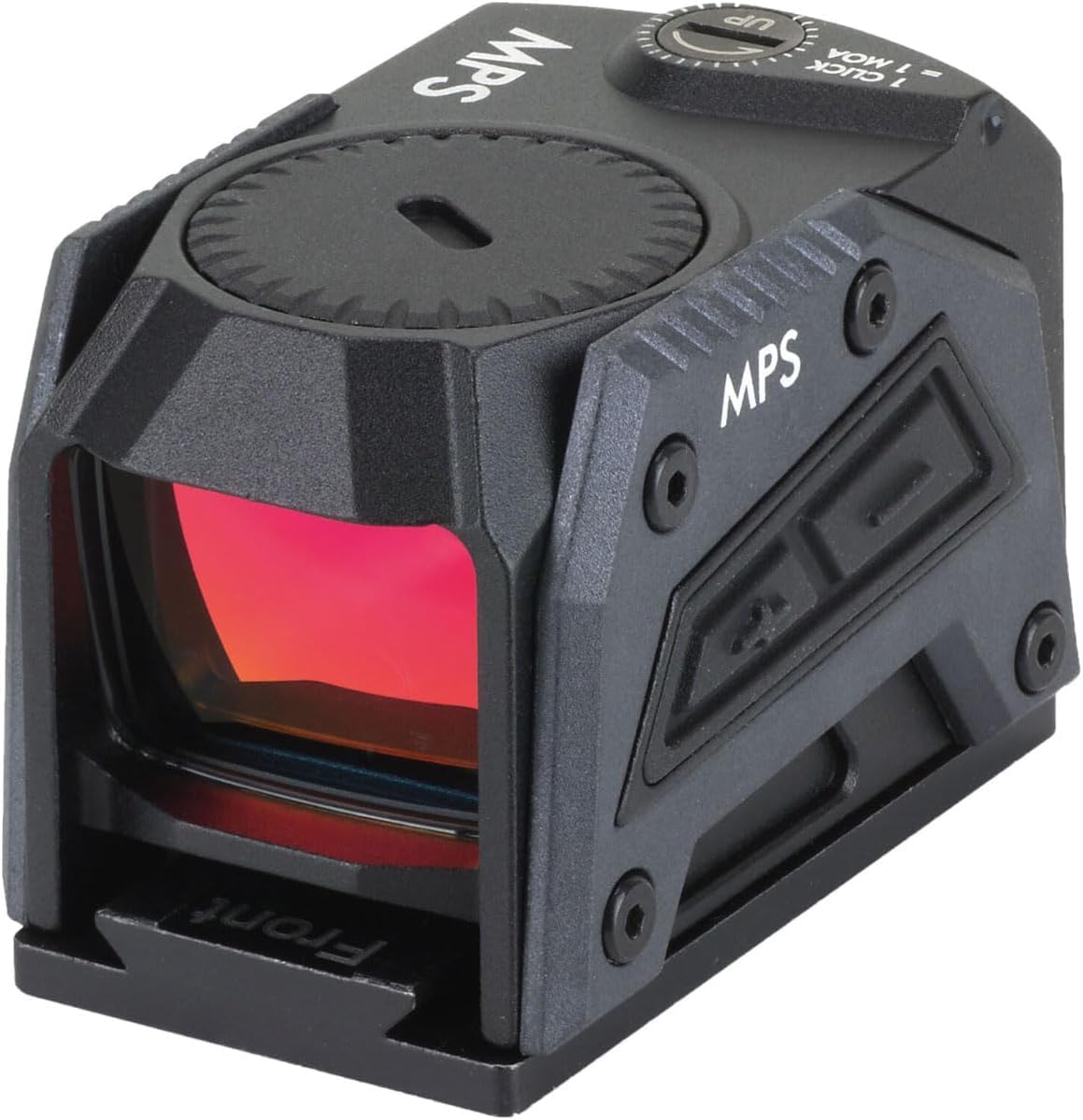
A duty-grade enclosed optic built for extreme durability.
Specs:
- 3.3 MOA dot
- Fully enclosed emitter
- ACRO footprint
- Side battery compartment
Pros:
- Exceptional durability
- Fully sealed system
- Clear glass
Cons:
- Heavier than competitors
- Requires adapter plate
My hands-on notes:
The MPS is built like a tank. It handles recoil impulse with zero issues. Parallax is well managed, and the enclosed design ensures consistent performance. Co-witness sits slightly higher due to its bulk. Controls are large and easy to manipulate with gloves.
What people say online:
Users compare it favorably to the ACRO, praising its toughness and clarity.
Mounting clarity:
Requires ACRO plate for Echelon compatibility.
╰┈➤ Explore User Feedback and Current Pricing on Amazon
How I Tested / Evaluation Criteria
Parallax:
I tested each optic by shifting head position while maintaining sight picture at 10–25 yards. The best optics showed minimal reticle drift relative to target. Poor performers exaggerated movement near the window edges.
Co-witness / deck height:
I evaluated how each optic aligned with suppressor-height irons. Lower deck heights allow faster transitions to backup sights and a more natural presentation.
Durability:
Each optic was subjected to repeated recoil cycles and minor impact simulations. I looked for zero retention, housing integrity, and emitter stability.
Battery:
Battery life and accessibility matter. Side-loading trays are significantly more practical than bottom-mounted designs that require re-zeroing.
Brightness range:
I tested visibility in bright sunlight and low-light conditions. Overly bright settings can bloom, while weak settings disappear outdoors.
Glass quality:
Clarity, tint, and distortion were evaluated. Excessive blue or green tint can affect target identification.
Controls ergonomics:
Button size, placement, and tactile feedback were tested with bare hands and gloves.
Mounting ecosystem:
Compatibility with the Echelon’s system was critical. Direct mounting is always preferred over plates.
How to Choose the Right Red Dot for This Gun
Choosing the right optic for the Echelon 4.0c comes down to understanding how you intend to use the pistol. A carry-focused setup demands reliability under adverse conditions, while a range or competition setup prioritizes speed and visibility.
First, consider emitter type. Open emitters like the 507C or RMR are lighter and often offer larger windows, but they are vulnerable to dirt, rain, or lint. Enclosed emitters like the EPS Carry or MPS eliminate that issue entirely, making them more reliable for daily carry.
Next is footprint compatibility. The Echelon’s modular system supports multiple footprints, but direct mounting is always preferable. It reduces stack height, improves durability, and maintains a better co-witness.
Window size also plays a huge role. Larger windows like the Deltapoint Pro allow faster target acquisition, especially under stress. However, they often come with increased bulk and higher deck height.
Battery design is another overlooked factor. Side-loading batteries are a major advantage because they let you replace power without removing the optic. Bottom-mounted batteries, while sometimes more secure, require re-zeroing after changes.
Finally, think about durability and intended use. If this is a defensive firearm, prioritize optics with proven track records like the RMR or enclosed systems. For range or competition use, you can lean toward larger windows and advanced reticles.
FAQs
1. Do I need a plate for the Springfield Echelon 4.0c?
Not always. The Variable Interface System allows direct mounting for many footprints, including RMR.
2. Are enclosed emitters worth it?
Yes, especially for carry. They prevent debris from blocking the emitter, which can disable open optics.
3. What MOA dot size is best?
A 2–3 MOA dot balances precision and speed. Larger dots are faster but less precise at distance.
4. Can I co-witness with factory sights?
Usually no. You’ll need suppressor-height sights for proper co-witness.
5. How important is parallax?
Very. Poor parallax control can cause misses at distance or awkward shooting angles.
Conclusion
Finding the Best Red Dot for Springfield Echelon 4.0c ultimately comes down to how you balance durability, visibility, and mounting compatibility. From my experience, optics like the RMR and 507C remain top-tier choices for reliability, while enclosed options like the EPS Carry and Steiner MPS offer unmatched protection in real-world conditions. The Echelon platform deserves a well-matched optic—and when you get that combination right, the performance difference is immediate and undeniable.