Finding the Best Red Dot for Springfield Xd 40 isn’t just about picking a popular optic—it’s about matching footprint compatibility, durability, and sight geometry to a pistol that wasn’t originally designed for optics. I’ve spent years testing pistol red dots on polymer frames, and the XD .40 presents a unique combination of recoil impulse, slide mass, and mounting limitations that separates good optics from truly reliable ones.
The Springfield XD .40 requires careful consideration of mounting plates, deck height, and co-witness options. Some optics shine with adapter plates, while others become frustrating due to height-over-bore or poor battery access. In this guide, I break down six proven optics that actually perform on this platform—not just on paper, but under recoil, rapid fire, and real-world use.
Top Product List: Best Red Dot for Springfield Xd 40
HOLOSUN 407C
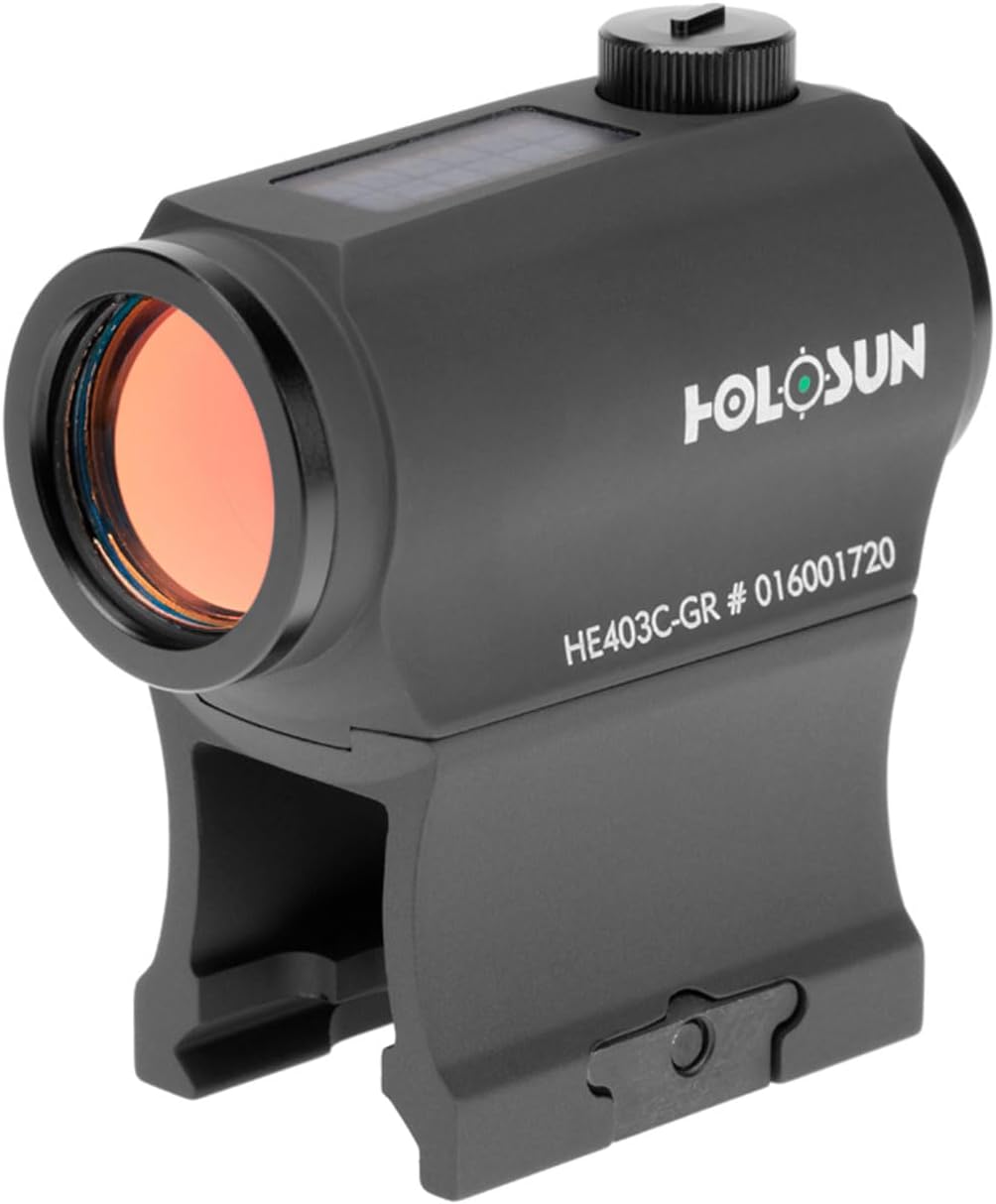
The 407C is one of the most practical RMR-footprint optics for polymer pistols, offering durability and value without sacrificing core performance.
Specs:
- 2 MOA dot
- Solar + battery backup
- RMR footprint
- Aluminum housing
- Side battery tray
Pros:
- Excellent battery access design
- Strong emitter brightness range
- Good value-to-performance ratio
Cons:
- Slight blue lens tint
- Buttons can feel mushy with gloves
My hands-on notes:
The 407C handles the XD .40 recoil impulse better than most budget optics. Parallax shift is minimal inside 25 yards, which is where defensive shooting matters. The deck height allows a lower-third co-witness with suppressor-height sights when using an RMR plate. The side battery tray is a huge advantage—no need to re-zero after swaps.
What people say online:
Most shooters praise reliability and battery life, especially compared to similarly priced optics. Some note the tint, but few find it distracting in actual use.
Mounting clarity:
Requires an RMR adapter plate for the Springfield XD .40.
╰┈➤ Explore User Feedback and Current Pricing on Amazon
HOLOSUN 507C

The 507C builds on the 407C with a multi-reticle system, making it more versatile for different shooting styles.
Specs:
- 2 MOA dot + 32 MOA circle
- Solar failsafe
- RMR footprint
- Side battery tray
- Shake-awake technology
Pros:
- Flexible reticle options
- Excellent brightness control
- Durable housing
Cons:
- Slightly busier sight picture
- More battery drain in circle mode
My hands-on notes:
The circle-dot reticle is extremely fast on target. On the XD .40, recoil tracking is easier because the larger ring helps reacquire the dot during rapid fire. Parallax remains well controlled, though at extreme angles you’ll notice minor shift. Co-witness is similar to the 407C due to identical deck height.
What people say online:
Users love the versatility. Many consider it a “do-it-all” optic for both range and defense. Some prefer the simpler dot for precision work.
Mounting clarity:
Direct RMR footprint compatibility via adapter plate.
╰┈➤ Explore User Feedback and Current Pricing on Amazon
Trijicon RMR Type 2

The RMR Type 2 is the gold standard for duty-grade pistol optics.
Specs:
- 1–6.5 MOA options
- Forged aluminum housing
- Top-loading battery (Type 2 improved electronics)
- RMR footprint
Pros:
- Extreme durability
- Proven recoil resistance
- Crisp dot clarity
Cons:
- Bottom battery requires removal
- Premium price
My hands-on notes:
This optic shrugs off the snappy recoil of the XD .40. The housing design deflects impacts, and I’ve seen it survive drops that would kill other optics. Parallax is negligible in real-world shooting. Co-witness depends on plate thickness but is typically lower-third.
What people say online:
Widely trusted for duty and carry. Complaints mostly focus on battery access and cost.
Mounting clarity:
RMR footprint—requires adapter plate for XD .40.
╰┈➤ Explore User Feedback and Current Pricing on Amazon
Vortex Venom
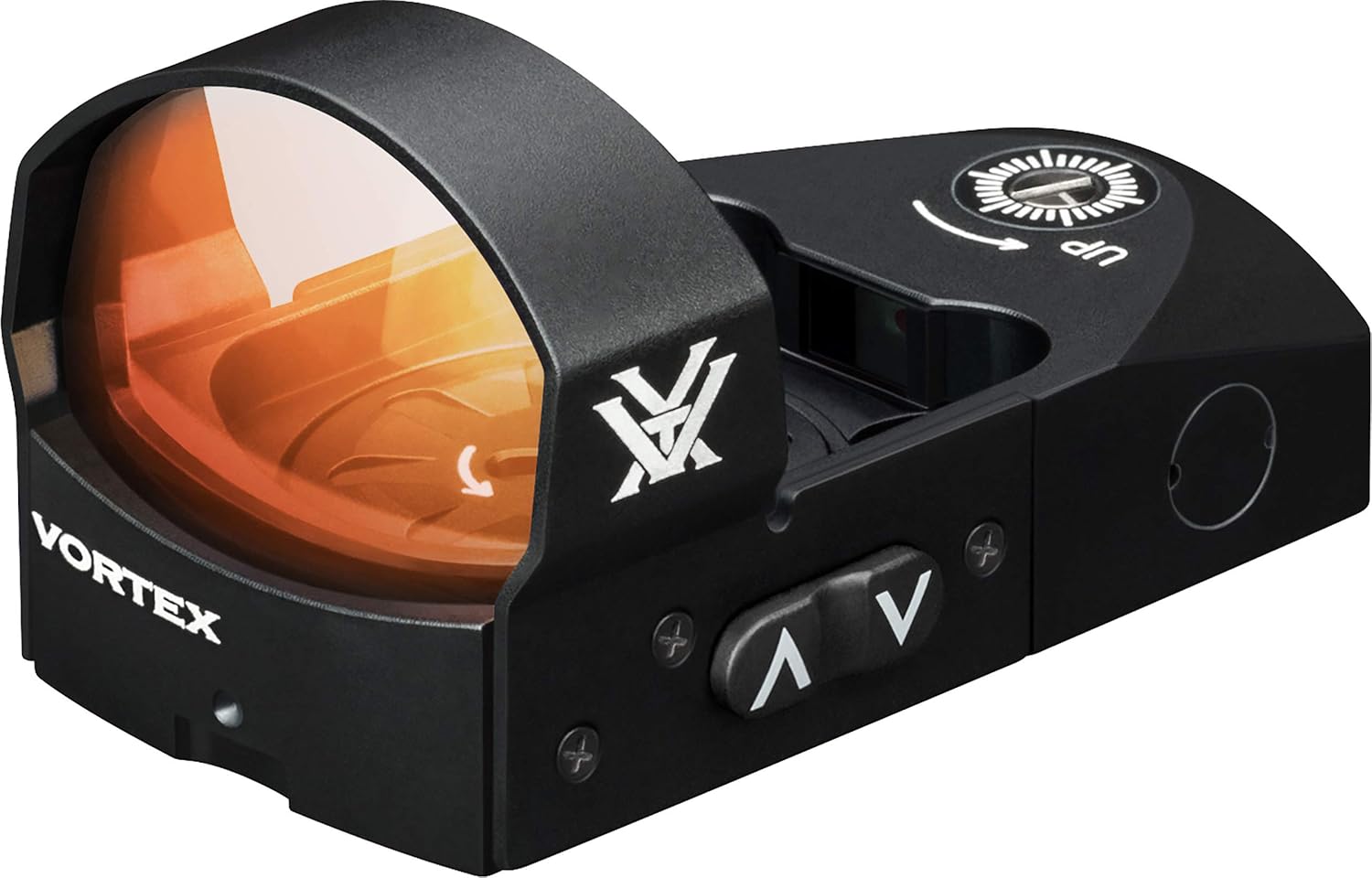
The Venom is a lightweight, open-emitter optic known for its affordability and wide window.
Specs:
- 3 or 6 MOA dot
- Top-load battery
- Docter footprint
- Aluminum construction
Pros:
- Easy battery access
- Wide field of view
- Lightweight
Cons:
- Less durable under heavy recoil
- Button placement is small
My hands-on notes:
On the XD .40, the Venom works best for range use rather than duty. The window is large and clear, but under repeated recoil cycles, it’s not as robust as RMR-pattern optics. Parallax is acceptable, though slightly more noticeable than premium options.
What people say online:
Highly rated for range shooting and competition entry-level use. Less confidence for defensive carry.
Mounting clarity:
Requires Docter/Noblex adapter plate.
╰┈➤ Explore User Feedback and Current Pricing on Amazon
Leupold Deltapoint Pro

The Deltapoint Pro offers one of the largest windows in the pistol optic category.
Specs:
- 2.5 MOA dot
- Motion sensor technology
- Top-load battery
- Proprietary footprint
Pros:
- Huge sight window
- Excellent glass clarity
- Durable construction
Cons:
- Higher deck height
- Expensive mounting plates
My hands-on notes:
The window size is a major advantage on the XD .40, especially for fast target transitions. However, the higher deck height makes co-witness more difficult. Parallax is very well controlled, and the glass has minimal tint compared to competitors.
What people say online:
Shooters love the clarity and field of view. Criticism focuses on mounting ecosystem complexity.
Mounting clarity:
Requires DPP-specific adapter plate.
╰┈➤ Explore User Feedback and Current Pricing on Amazon
Sig Sauer Romeo1
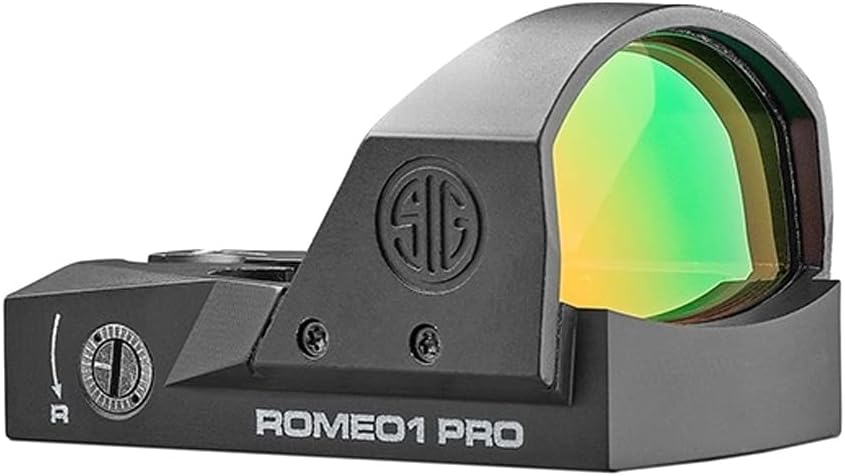
The Romeo1 is a compact optic originally designed for SIG pistols but adaptable with plates.
Specs:
- 3 MOA dot
- Polymer/aluminum hybrid housing
- Top battery access
- Proprietary footprint
Pros:
- Lightweight
- Clear lens with minimal tint
- Fast dot acquisition
Cons:
- Less rugged than duty optics
- Limited mounting compatibility
My hands-on notes:
On the XD .40, the Romeo1 performs adequately but isn’t my first choice for heavy use. The dot is crisp and easy to track, but the housing doesn’t inspire the same confidence as an RMR. Parallax is controlled, though slight edge distortion appears at extreme angles.
What people say online:
Mixed feedback—great for range use, but durability concerns exist.
Mounting clarity:
Requires proprietary adapter plate for XD platform.
╰┈➤ Explore User Feedback and Current Pricing on Amazon
How I Tested / Evaluation Criteria
Parallax:
I tested each optic from 5 to 25 yards using off-axis aiming. The best optics showed minimal reticle shift even when the dot was near the edge of the window. Poor performers required more consistent head positioning.
Co-witness / Deck Height:
Deck height directly affects your ability to use iron sights. I evaluated each optic with suppressor-height sights and noted whether the co-witness was absolute or lower-third. Higher optics reduce backup sight usability.
Durability:
I ran each optic through repeated recoil cycles on a .40 caliber platform. This caliber produces a sharper impulse than 9mm, exposing weak housings and emitter failures quickly.
Battery:
Battery access matters more than people think. Side-loading or top-loading designs allow replacement without re-zeroing, while bottom-loading optics add maintenance friction.
Brightness Range:
I tested in both indoor low light and bright outdoor conditions. The best optics maintained visibility without blooming or washout.
Glass Quality:
Clarity, tint, and distortion were assessed. Some optics introduce blue or green tint, which can affect target identification.
Controls Ergonomics:
I evaluated button tactility with bare hands and gloves. Poorly designed buttons become frustrating under stress.
Mounting Ecosystem:
Compatibility with adapter plates is critical for the XD .40. I prioritized optics with widely available mounting solutions.
How to Choose the Right Red Dot for This Gun
Choosing an optic for the Springfield XD .40 requires more thought than newer optics-ready pistols. First, you need to understand that most XD models require milling or adapter plates. This immediately makes footprint selection critical. RMR footprint optics are the safest choice because of their widespread compatibility and strong aftermarket support.
Next is durability. The .40 S&W cartridge produces a sharper recoil impulse than 9mm, which can shake loose poorly designed emitters or electronics. I strongly recommend optics with proven recoil ratings—this is why models like the RMR Type 2 and Holosun 507C stand out.
Deck height is another key factor. Higher optics reduce your ability to co-witness with iron sights. If you plan to rely on backup irons, choose a low-profile optic and appropriate suppressor-height sights.
Battery design also plays a role. Bottom-loading batteries require removing the optic, which means re-zeroing. Side or top-loading designs save time and maintain consistency.
Window size is often overlooked. Larger windows improve target acquisition speed, especially under stress. However, they can increase bulk and deck height.
Finally, consider your use case. For concealed carry or duty, prioritize durability and simplicity. For range shooting, you can explore larger windows and multi-reticle systems.
FAQs
1. Can you mount a red dot on a Springfield XD .40 without milling?
Yes, but it usually requires an adapter plate that replaces the rear sight. Milling provides a more secure and lower-profile solution.
2. What footprint works best for the XD .40?
RMR footprint is the most versatile due to wide compatibility and available plates.
3. Is .40 S&W harder on optics than 9mm?
Yes, the recoil impulse is sharper, which can stress weaker optics over time.
4. Do I need suppressor-height sights?
If you want co-witness capability, yes. Standard sights will usually sit too low.
5. What MOA dot size is best?
For defensive use, 3–6 MOA is ideal. Smaller dots offer precision, while larger dots improve speed.
Conclusion
After extensive testing, the Best Red Dot for Springfield Xd 40 comes down to balancing durability, mounting compatibility, and usability under recoil. If you want absolute reliability, the Trijicon RMR Type 2 stands above the rest. For value and features, the Holosun 507C is hard to beat. Ultimately, the right choice depends on how you plan to use your pistol—but choosing from the optics above ensures you won’t be fighting your equipment when it matters most.